

Introduction
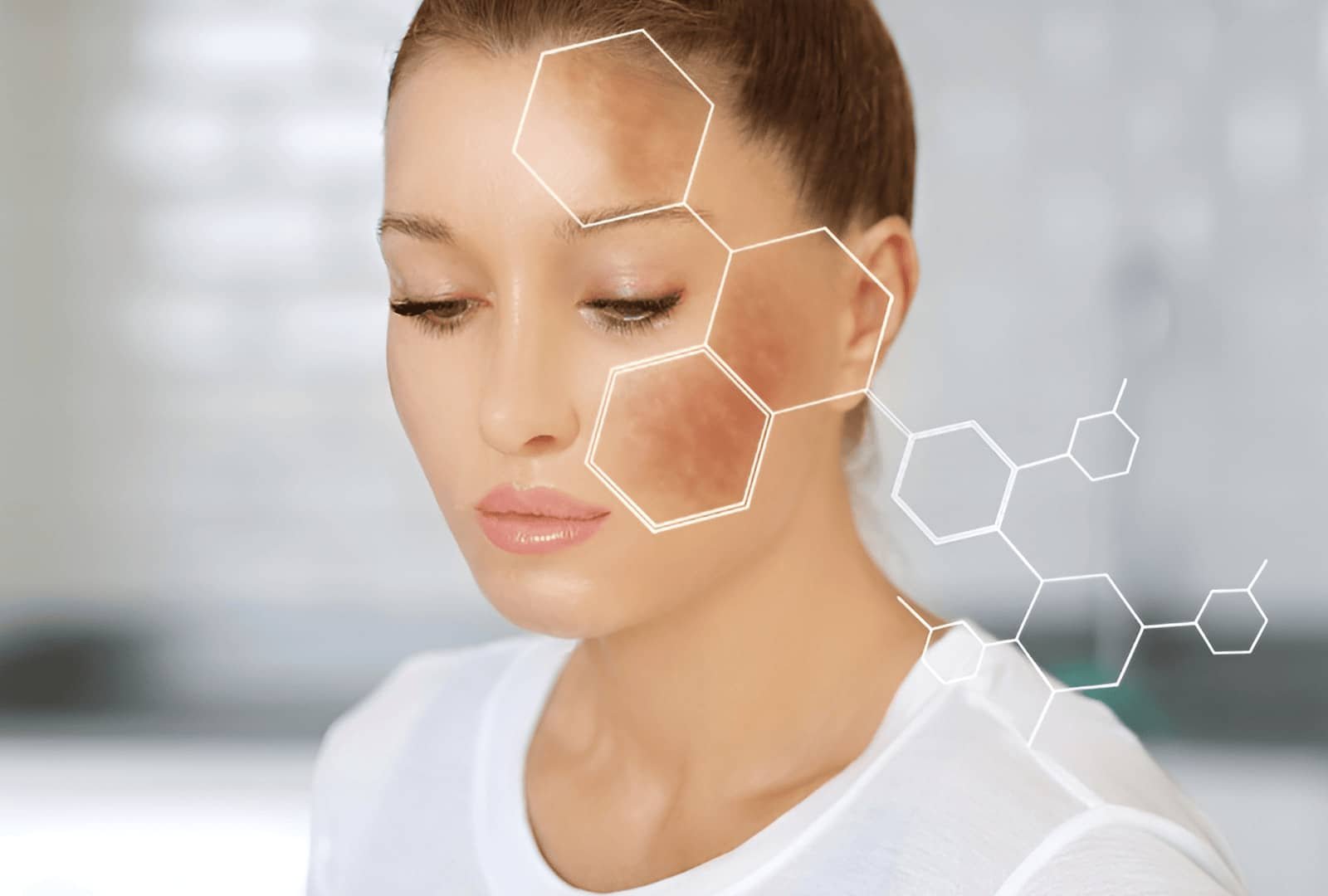
Melasma is a common skin condition characterized by dark, discoloured patches on the face, particularly on the cheeks, forehead, and upper lip. While melasma is not harmful, it can be a source of self-consciousness for many individuals. Fortunately, there are effective treatment options available to help manage and reduce the appearance of melasma. In this blog, we will explore the best ways to treat melasma, from skincare routines to professional treatments, to help you achieve clearer, more even-toned skin.
1. Sun Protection
Living on the Gold Coast means year-round sunshine and plenty of time outdoors. Unfortunately, UV exposure can trigger and worsen melasma, so daily sun protection is even more important for those managing melasma.
The Cancer Council Australia recommends SPF50 or higher broad-spectrum sunscreen for daily use, particularly in high-UV regions, such as the Gold Coast. Reapply every two hours, especially when outdoors. Additionally, wearing a wide-brimmed hat and seeking shade can further shield your skin from the sun’s harmful rays.
2. Skincare Products
Incorporating skincare products that target hyperpigmentation can help fade melasma and even out skin tone. Look for products containing ingredients like hydroquinone, kojic acid, vitamin C, niacinamide, and retinoids, which can help lighten dark spots and promote skin renewal. It’s essential to be consistent with your skincare routine and give products time to work before expecting visible results.
3. Chemical Peels
Chemical peels are a popular treatment option for melasma, as they can exfoliate the skin, fade pigmentation, and promote cell turnover. Our team at NiZ Clinics can recommend a suitable chemical peel based on your skin type and melasma severity. Mild peels like glycolic acid or lactic acid peels are often recommended for melasma, while stronger peels may be used under professional supervision.
4. Laser Therapy
Laser treatments, such as fractional laser therapy or intense pulsed light (IPL) therapy, can target and break down melanin in the skin, reducing the appearance of melasma. These treatments are typically performed by qualified skin specialists and may require multiple sessions for optimal results. Laser therapy can be effective in treating stubborn or deep-seated melasma patches.
At NiZ Clinics, our laser genesis and IPL treatments are tailored to your skin type and the depth of your pigmentation, giving you a treatment plan designed around your specific concerns rather than a one-size-fits-all approach.
5. Prescription Medications
In some cases, your doctor may prescribe topical medications or oral medications to treat melasma. These may include hydroquinone creams, corticosteroids, or combination creams containing multiple active ingredients. It’s essential to follow your skin specialist’s instructions carefully and attend follow-up appointments to monitor your progress and adjust treatment as needed.
Find the Right Melasma Treatment for Your Skin
Melasma can be a challenging skin condition to manage, but with the right approach and treatment plan, clearer, more even-toned skin is achievable. By incorporating sun protection, skincare products, professional treatments, and prescription medications, you can effectively treat melasma and restore your skin’s natural radiance. Book a consultation at NiZ Clinics to determine the best treatment options for your specific skin concerns and start your path towards clear, even-toned skin.
Ready to Treat Your Melasma?
Melasma responds best to a treatment plan built around your skin type and the severity of your pigmentation. At NiZ Clinics, we use advanced laser and light-based treatments designed to help manage stubborn pigmentation. Book a consultation to find out what a tailored treatment plan could look like for your skin.