
Introduction
Rosacea is a common skin condition that affects millions of people worldwide. Characterised by redness, flushing, and visible blood vessels on the face, rosacea can be a source of frustration and embarrassment for those who experience it. In this blog post, we will explore the causes, symptoms, and treatment options for rosacea, as well as answer some common questions about this chronic skin condition.
1. What is Rosacea?
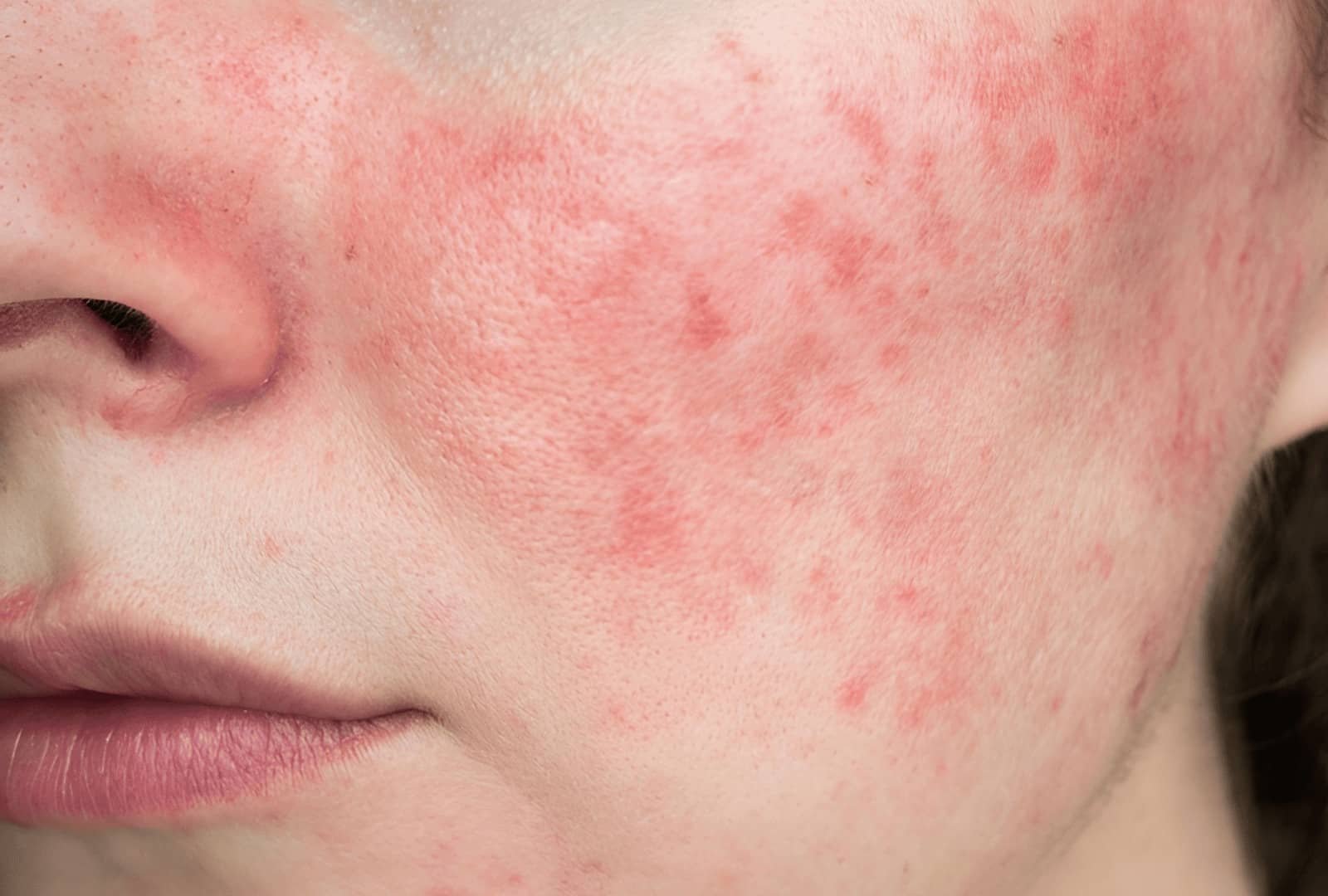
Rosacea is a chronic inflammatory skin condition that primarily affects the face, particularly the cheeks, nose, chin, and forehead. It is characterised by persistent redness, flushing, visible blood vessels (telangiectasia), and, in some cases, papules and pustules that resemble acne. Rosacea can vary in severity and may flare up periodically, leading to discomfort and self-consciousness for those affected.
The Australasian College of Dermatologists estimates that rosacea affects around 5% of adults globally, with women and people aged 30 to 50 most commonly affected.
2. What causes rosacea?
The exact cause of rosacea is not fully understood, but it is believed to be a combination of genetic, environmental, and vascular factors. Triggers such as sun exposure, hot or spicy foods, alcohol, stress, and certain skincare products can exacerbate rosacea symptoms.
On the Gold Coast, where sun exposure is hard to avoid year-round, this particular trigger can make rosacea harder to manage without a deliberate approach to sun protection.
3. What are the symptoms of rosacea?
Symptoms of rosacea can vary from person to person but commonly include persistent facial redness, flushing, visible blood vessels, and bumps or pimples on the skin. In more severe cases, rosacea may lead to thickening of the skin and ocular symptoms such as dryness, irritation, and redness of the eyes.
4. Is rosacea contagious?
No, rosacea is not contagious. It is a chronic skin condition that results from a combination of genetic and environmental factors and is not spread through contact with affected individuals.
5. How is rosacea diagnosed?
A medical practitioner can diagnose rosacea based on a physical examination of the skin and a review of the patient’s medical history. In some cases, additional tests such as skin biopsies or blood tests may be performed to rule out other skin conditions or underlying health issues.
6. What are the treatment options for rosacea?
The treatments for rosacea aim to control symptoms, reduce inflammation, and improve the overall appearance of the skin. Common treatment options include topical medications (such as metronidazole or azelaic acid), oral antibiotics, laser therapy, and lifestyle modifications to avoid triggers that exacerbate rosacea symptoms.
At NiZ Clinics, laser and IPL treatments are used to target visible redness and blood vessels associated with rosacea, with a treatment plan built around the severity and pattern of your symptoms.
7. Can rosacea be cured?
Rosacea is a chronic skin condition that can have a significant impact on quality of life for those affected. While there is no cure for rosacea, with proper treatment and management, symptoms can be controlled, and flare-ups minimised.
Rosacea responds best when you know what’s actually triggering it, rather than avoiding everything at once. It is important for individuals with rosacea to work closely with a dermatologist to develop a personalised treatment plan that addresses their specific needs and concerns.
If you suspect you may have rosacea, book a consultation with the team at NiZ Clinics for a proper diagnosis and a treatment plan built around your specific symptoms and triggers.
Stop Guessing What's Causing Your Flare-Ups
At NiZ Clinics, we help identify your specific triggers and use laser and IPL treatments to target visible redness and broken capillaries directly. Book a consultation with us today to get a treatment plan based on your symptoms, not guesswork.