
Introduction
Skin cancer is a prevalent form of cancer that affects millions of people worldwide. Early detection and treatment are crucial in effectively managing this disease. In this blog, we will delve into the diagnosis and treatment options available for skin cancer, shedding light on the importance of regular screenings and prompt medical intervention.
Diagnosis
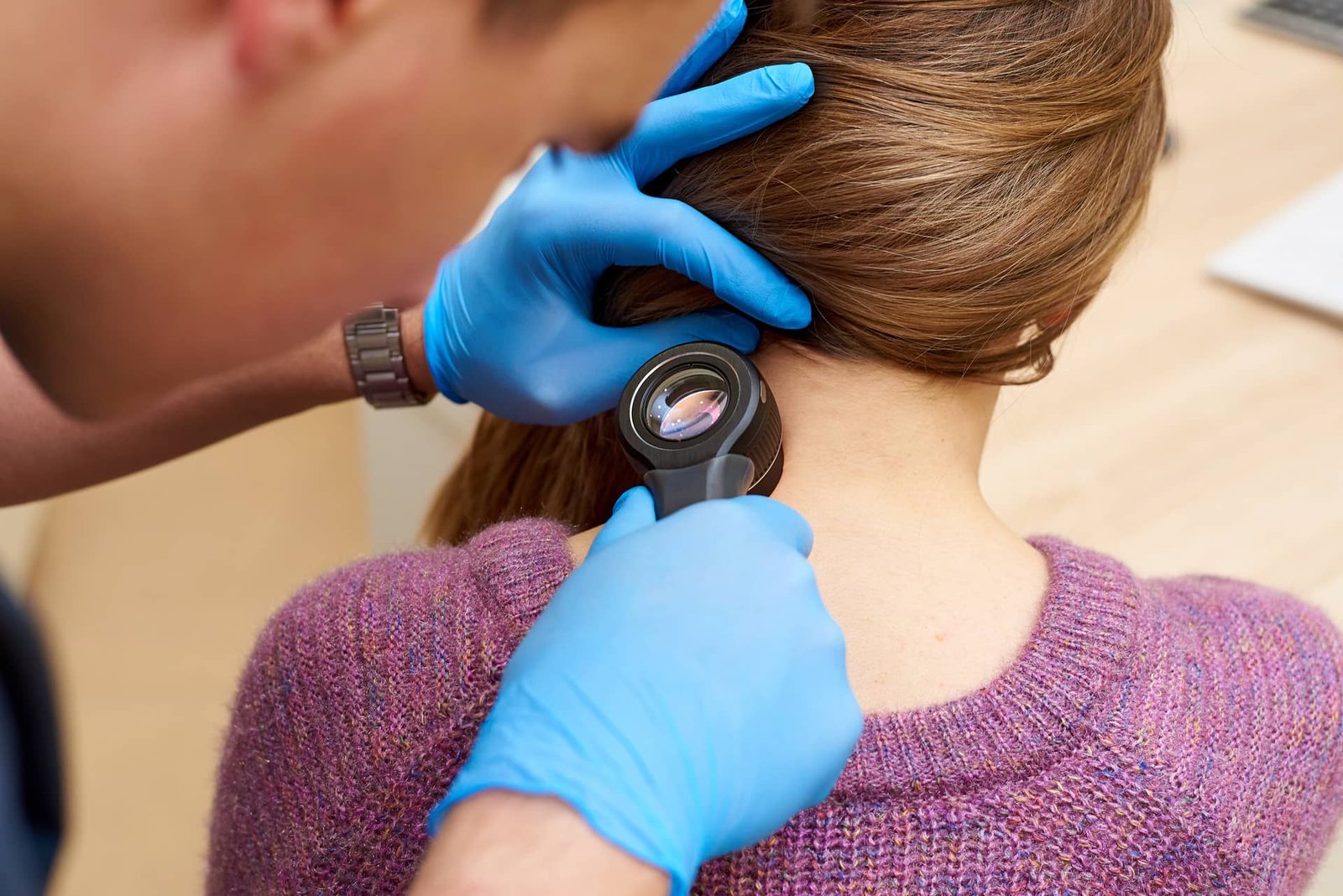
Diagnosing skin cancer typically involves a thorough examination of the skin, often supported by dermoscopy and, where needed, a skin biopsy. Dermoscopy uses a specialised magnifying tool to closely examine moles and lesions, while a skin biopsy involves removing a small tissue sample for further analysis. At NiZ Clinics, this is done using advanced tools such as the DermLite dermatoscope and MoleMax Lite, allowing for precise evaluation, early detection, and accurate monitoring of moles and lesions over time.
Treatment Options
The skin cancer treatments depend on the type, stage, and location of the cancerous cells. For most basal cell and squamous cell carcinomas, the most common forms of skin cancer, surgical excision is the standard approach, removing the affected tissue to prevent further spread. Radiation therapy may be used as an alternative or follow-up treatment, targeting cancer cells with high-energy rays where surgery isn’t suitable.
For more advanced or higher-risk cases, particularly with melanoma that has spread beyond the skin, treatment options may extend to chemotherapy, immunotherapy, or targeted therapy. These work in different ways:
- Chemotherapy uses drugs to kill or slow the growth of cancer cells.
- Immunotherapy boosts the body’s own immune response against them.
- Targeted therapy zeroes in on specific molecules within the cancer cells themselves.
These options are typically managed by an oncologist as part of a broader treatment plan.
Prevention and Early Detection
Skin cancer prevention starts with understanding the scale of the problem. Australia has the highest rate of skin cancer in the world, and Queensland has the highest rate in the country. That makes sun safety measures such as wearing sunscreen, protective clothing, and avoiding prolonged sun exposure essential for preventing skin damage and reducing your risk.
On the Gold Coast, where outdoor living and high UV levels are part of daily life, these precautions matter more than most realise. Regular skin cancer checks are especially important for anyone who spends significant time outdoors, whether at the beach, on the golf course, or working outside.
Get Ahead of Skin Cancer With Early Detection
Skin cancer diagnosis and treatment require a coordinated approach, often involving your GP, skin cancer specialist, and other healthcare professionals depending on what’s found. By understanding the importance of early detection, prevention, and treatment options, you can take proactive steps to protect your skin health and overall wellbeing. Book a skin cancer check with the team at NiZ Clinics, where regular screenings, sun safety advice, and prompt treatment all happen under one roof.
Concerned About a Mole or Spot?
Early detection makes all the difference with skin cancer, and a proper skin check is the fastest way to know what you’re dealing with. At NiZ Clinics, dermoscopy and biopsy are both part of how we investigate suspicious spots, with treatment options tailored to what’s found. Book a skin check with us today and get clarity on your skin health.